
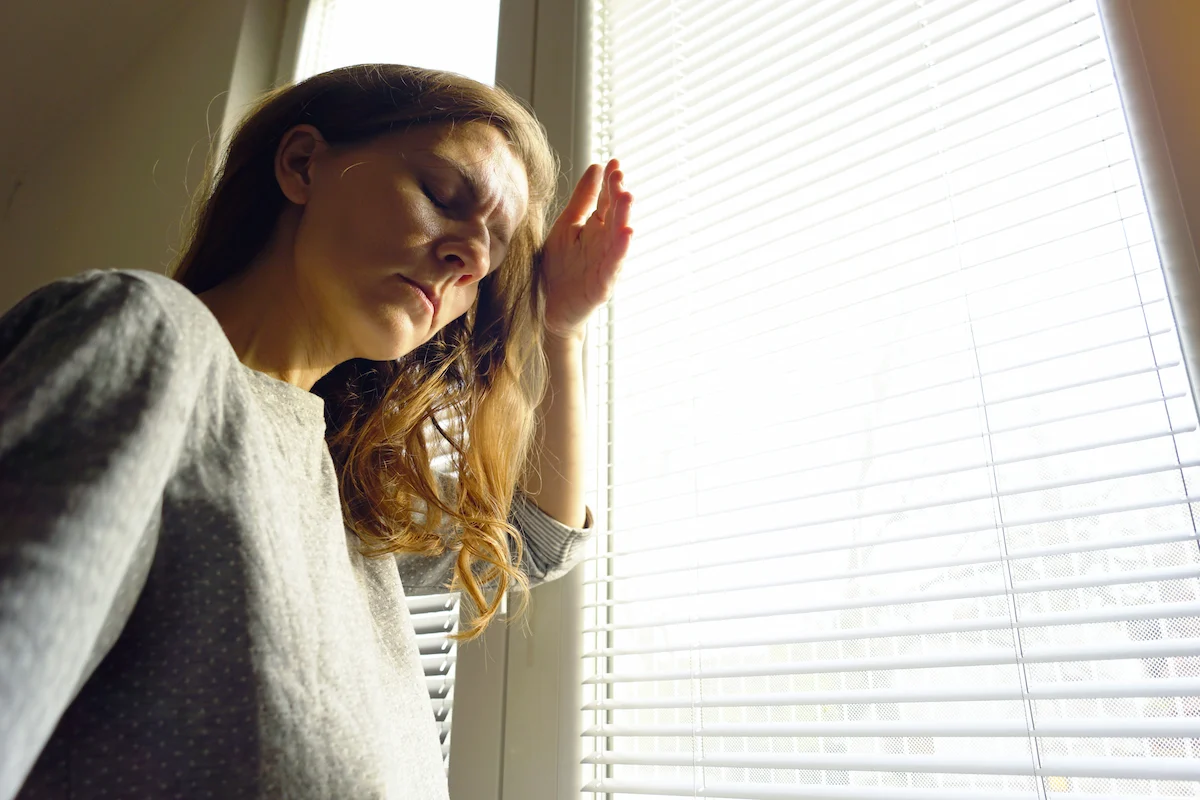
Light sensitivity, also called photophobia, can make bright sunlight, headlights, screens, or indoor lighting feel uncomfortable or even painful. Occasional sensitivity may happen after a long day, but frequent or worsening symptoms can be a sign that your eyes need attention. A comprehensive eye exam can help identify whether light sensitivity is related to vision changes, dry eye, inflammation, eye disease, or another concern.
Why Are My Eyes Sensitive to Light?
Your eyes may feel sensitive to light when the surface of the eye is irritated, when your focusing system is strained, or when something inside the eye needs evaluation. Light sensitivity is not a diagnosis by itself. It is a symptom that can happen for several reasons, including:
- Dry eye disease
- Eye allergies
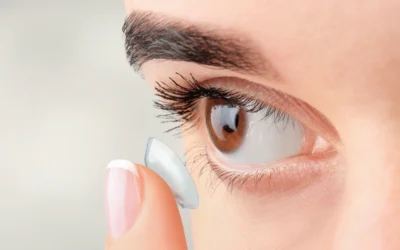
- Contact lens irritation or overwear
- Corneal scratches or abrasions
- Eye infections or inflammation
- Migraines or headaches
- Cataracts or other age-related vision changes
- Digital eye strain
Because the causes can range from mild irritation to more serious eye health issues, persistent light sensitivity should not be ignored.
How Can Dry Eye Cause Light Sensitivity?
Dry eye is one of the most common reasons eyes feel sensitive, gritty, tired, or irritated. When your tear film is unstable, the surface of your eye may not stay properly lubricated. This can make light scatter across the eye unevenly, causing glare, burning, blurred vision, and discomfort in bright environments.
People with dry eye may notice symptoms that get worse during screen use, driving at night, reading, or spending time in dry or windy conditions. A dry eye evaluation in Plymouth, MI, can help determine whether your symptoms are related to tear quality, oil gland function, eyelid inflammation, or another factor.
When Is Light Sensitivity More Concerning?
Light sensitivity should be checked promptly if it appears suddenly, feels severe, or happens with other symptoms. Seek care if you notice:
- Eye pain or significant redness
- Sudden blurry vision or vision loss
- Halos around lights
- New floaters or flashes
- Headache, nausea, or neurological symptoms
- Sensitivity after an eye injury
- Discharge, swelling, or signs of infection
These symptoms may point to inflammation, infection, injury, or another condition that needs timely treatment.
What Treatments Can Help?
Treatment depends on the cause. If light sensitivity is related to a prescription change, updated glasses or contact lenses may help. If dry eye or eyelid inflammation is involved, care may focus on improving tear quality and reducing irritation.
For patients with chronic dry eye symptoms, BlephEx for dry eye can help clean away debris and bacteria along the eyelids that may contribute to inflammation. For certain types of dry eye, OptiLight by Lumenis may also be recommended to address inflammation and support healthier tear function.
At-home habits can also help reduce discomfort, such as wearing UV-blocking sunglasses outdoors, taking screen breaks, using artificial tears when recommended, and avoiding direct airflow from fans or vents.
Protect Your Comfort and Long-Term Eye Health
Light sensitivity can be frustrating, but it can also provide an important clue about your eye health. If brightness, glare, or screen use regularly bothers your eyes, an exam can help find the cause and guide the right next step. Schedule an appointment with our team in Plymouth, MI, to get answers and protect your vision.