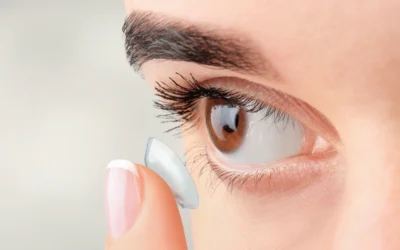


Dry eye symptoms can sometimes improve on their own, especially when they are caused by a temporary trigger like wind, smoke, seasonal allergies, a long day of screen time, or not drinking enough water. However, ongoing dry eye often needs professional care to address the underlying cause. A dry eye evaluation can help determine why your eyes feel uncomfortable and which treatment options may provide lasting relief.
Why Do Dry Eye Symptoms Happen?
Your eyes depend on a healthy tear film to stay lubricated, comfortable, and clear. Dry eye can occur when your eyes do not make enough tears or when the tears evaporate too quickly.
Common dry eye symptoms include:
- Burning, stinging, or itching
- Redness or irritation
- A gritty, sandy feeling
- Blurry or fluctuating vision
- Watery eyes
- Light sensitivity
- Contact lens discomfort
- Tired eyes after reading or using digital devices
Dry eye symptoms may come and go, but recurring symptoms can signal an ongoing issue with tear production, tear quality, or the oil glands along the eyelids.
When Can Dry Eye Improve Without Treatment?
Mild, occasional dryness may improve when you remove the trigger. Taking screen breaks, staying hydrated, wearing sunglasses outside, avoiding direct airflow from fans or vents, and using artificial tears as recommended can all help.
For example, dry eye may settle down after a day outdoors in windy weather or after spending hours focused on a screen. Still, symptoms that return often should not be treated as a normal part of daily life.
Understanding what causes dry eyes all of a sudden can make it easier to recognize potential triggers and know when it is time to seek care.
Why Does Chronic Dry Eye Usually Need Treatment?
Chronic dry eye is often connected to an underlying condition that does not fully resolve without targeted treatment. Meibomian gland dysfunction, eyelid inflammation, hormonal changes, certain medications, contact lens wear, and environmental factors can all contribute to persistent dryness.
When the oil glands along the eyelids become blocked or do not function properly, tears can evaporate too quickly. This may leave the eye’s surface irritated and cause symptoms to worsen over time.
A dry eye exam allows your eye doctor to look beyond your symptoms. They can evaluate your tear film, eyelids, and eye surface to recommend care based on the cause of your dryness.
What Treatments Can Help With Dry Eye?
The right treatment plan depends on what is causing your dry eye. Some patients benefit from home care and artificial tears, while others need in-office treatment to improve eyelid health and tear quality.
BlephEx® dry eye treatment can remove debris and buildup from the eyelid margins that may contribute to inflammation. For patients whose symptoms are connected to certain types of dry eye disease, OptiLight by Lumenis may help address inflammation and support healthier tear function.
Do Not Wait for Persistent Symptoms to Pass
Dry eye may improve temporarily, but frequent burning, redness, blurred vision, or discomfort deserves attention. Getting the right diagnosis can help you move beyond short-term relief and protect your long-term eye comfort.
If dry eye symptoms are interfering with your day, schedule an appointment today.