

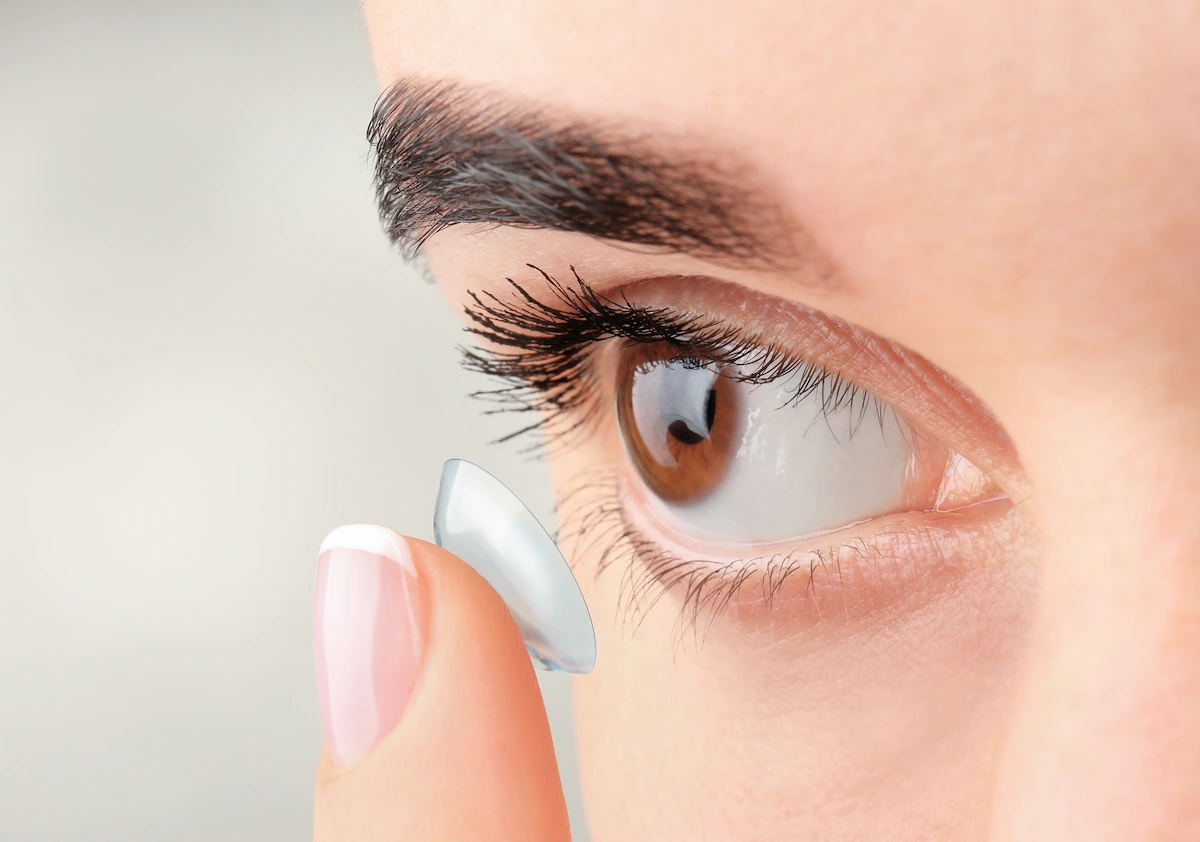
Contact lenses should make vision feel clear and comfortable — not leave your eyes dry, red, blurry, or irritated. While it can take a brief adjustment period to get used to new lenses, ongoing discomfort may mean your lenses are not fitting as they should.
A contact lens exam helps ensure your lenses match the shape of your eyes, your prescription, and your visual needs.
What does a good contact lens fit feel like?
Correctly fitted contact lenses should be easy to wear throughout the day. You may occasionally be aware that you are wearing lenses, especially in dry environments or after extended screen time, but they should not cause persistent discomfort.
Well-fitted contact lenses should:
- Provide consistently clear vision
- Stay centered on the eye when you blink
- Move slightly with each blink
- Feel comfortable without burning, stinging, or scratching
- Allow your eyes to remain relatively white and healthy-looking
- Be easy to remove at the end of the day
Your optometrist evaluates more than your prescription when fitting contacts. The curvature, diameter, material, and replacement schedule all affect how lenses sit on your eyes and how your eyes respond to them.
Signs your contact lenses may not fit properly
An improper fit can lead to uncomfortable symptoms and, in some cases, increase the risk of eye health concerns. Contact your eye doctor if you experience any of the following:
- Redness, itching, burning, or excessive tearing
- Blurry or fluctuating vision
- A lens that moves around too much or feels like it is sliding out of place
- A lens that feels stuck or difficult to remove
- Persistent dryness or a gritty sensation
- Light sensitivity
- Headaches or eye fatigue after wearing lenses
- Discomfort that continues after inserting a fresh lens
A lens that is too tight may not move enough on the eye, which can limit oxygen flow and cause redness or discomfort. A lens that is too loose may shift excessively, leading to unstable vision or irritation.
Why a contact lens exam matters
A contact lens prescription is different from a glasses prescription. During a contact lens exam, your eye doctor measures the surface of your eye and evaluates how trial lenses fit, move, and support clear vision. They also check the health of your cornea and tear film to make sure contact lens wear is safe and comfortable.
Your needs may also change over time. Dry eye, allergies, screen use, medication changes, and age can all affect contact lens comfort. Regular exams give your eye doctor an opportunity to update your prescription or recommend a lens material and replacement schedule that better fits your lifestyle.
Can the right type of contact lens improve comfort?
Yes. Contact lenses are available in many materials, wearing schedules, and designs. Some people benefit from daily disposable lenses, while others may need lenses designed for astigmatism, multifocal vision, or specific eye-shape concerns.
Switching to a different lens is not something to do on your own. Even lenses with a similar prescription can fit differently, so it is important to follow your eye doctor’s recommendation.
Keep your eyes comfortable and healthy
Never ignore ongoing contact lens discomfort. Remove your lenses and contact your eye doctor if you have pain, significant redness, light sensitivity, discharge, or sudden changes in vision.
If your contact lenses no longer feel as comfortable as they once did, we can evaluate your fit, prescription, and eye health. Schedule an appointment to find contact lenses that support clear, comfortable vision.