
At some point in your 40s, close-up vision quietly stops cooperating. The phone gets held a little farther away. The dinner menu requires better lighting. Reading before bed starts causing headaches you didn’t use to get.
If you’ve had one of those moments lately, you may have presbyopia. In this blog, we discuss what presbyopia is, why it happens, and what your options are when you come in for a comprehensive eye exam.
What is presbyopia?
Presbyopia is an age-related shift in near vision that most people start noticing in their 40s, though it can show up a little earlier or later depending on the person.¹ As you age, the natural lens inside your eye and the muscles that control it gradually lose flexibility. That loss of “zoom” ability is what makes close-up tasks—reading, scrolling, threading a needle— harder than they used to be.
Presbyopia isn’t a disease or a sign that something is wrong. It’s a normal part of aging, similar to needing a little more light to see comfortably in the evening. That said, it’s still worth addressing, because squinting through your day takes a real toll.
Signs of presbyopia you might be noticing
If you’re noticing any of the following, you might have presbyopia:
- Having to hold books, menus, or your phone farther away than you used to
- Blurry near vision that gets better when you increase the distance
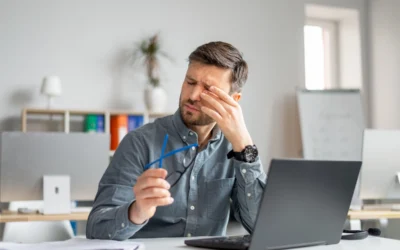
- Eye strain or headaches after reading or close work
- Struggling to see clearly in dim lighting, especially in restaurants
- Frequently shifting focus between near and far distances
If several of those sound familiar, it’s time to get your eyes checked. Other vision changes can sometimes mimic presbyopia, so it’s helpful to know exactly what you’re working with before assuming reading glasses are the only answer.
Presbyopia treatment options tailored to your routine
There’s no single best solution for presbyopia. The right approach depends on your daily routine, visual needs, and whether you already wear glasses or contact lenses. The good news is that there are more options than most people expect.
Common options include:
- Reading glasses — Simple, affordable, and easy to keep in multiple spots: your desk, your car, your nightstand.
- Bifocals or progressive lenses — One pair of glasses that handles near, intermediate, and distance vision, so you’re not constantly swapping between pairs.
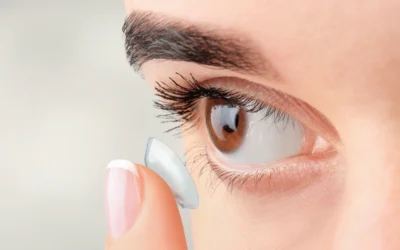
- Multifocal or monovision contacts — A solid option if you’d rather not wear glasses, though they do require some adjusting.
- Updated prescription — If you already have nearsightedness or farsightedness, fine-tuning your prescription can improve overall clarity and reduce strain noticeably.
- Prescription eye drops — A newer option that can temporarily improve near focus for certain patients. Your eye doctor can let you know whether you’d be a good candidate.
What to expect at your appointment
Presbyopia is typically diagnosed during a comprehensive eye exam. During your visit, your eye doctor will ask about what you’ve been noticing, test your near and distance vision, and do a refraction to find the clearest prescription for your eyes. The exam also includes an eye health screening to rule out other conditions that might be contributing to blurry or strained vision.
Clear, comfortable vision you can count on
Presbyopia may be common, but struggling through your day doesn’t have to be. The right prescription and lens design can reduce eye strain, make close work easier, and help you feel more confident while reading, driving, working, and relaxing.
If near vision has become a daily frustration, schedule an appointment at Progressive Family Eye Care in Plymouth. We’ll take the time to understand your symptoms, evaluate your vision, and find an approach that works for your lifestyle — not just your prescription.
References: